Skip to content Accessibility info
The Complete Southwest Home Insurance Guide

How to Insure Homes in the Southwest: A Step-by-Step Guide for Flat Roofs, Tile Roofs, Gable Roofs & Shingles

A practical guide for Arizona and Southwest homeowners who want to understand roof types, desert weather, monsoon risk, wildfire exposure, underwriting, inspections, and smarter home insurance decisions.
Get a Fast Free Home Insurance Quote

Insuring a home in the Southwest is not the same as insuring a home in a mild-weather state. Arizona, New Mexico, Nevada, and other desert communities deal with extreme heat, roof expansion, UV damage, monsoon storms, dust, hail, wildfire exposure, drainage concerns, and fast-changing insurance requirements.

This guide walks you step by step through what homeowners should understand before buying, renewing, or comparing home insurance in the Southwest.

At RIGHTSURE, known as North America’s Most Awarded Insurance Firm, our Famously Friendly Humans help homeowners make sense of coverage, roof questions, carrier requirements, and fast home insurance options.

Famously Friendly Humans

Real people. Real guidance. Helpful insurance support from a team that loves helping homeowners.

Meet Our Team →

North America’s Most Awarded

RIGHTSURE is recognized for insurance innovation, service, technology, and customer-first thinking.

View Our Awards →

Fast Free Home Insurance

Start comparing home insurance options quickly with our tech-forward home quote platform.

Start Your Quote →

Step 1: Understand Why Southwest Homes Are Different

The Southwest creates unique home insurance challenges. Carriers often evaluate homes here differently because desert homes face intense sunlight, thermal expansion, monsoon rain, wind, hail, wildfire risk, drainage issues, and roof systems that can age faster than expected.

Before choosing a home insurance policy, homeowners should understand how the location, roof type, home age, construction materials, and weather exposure work together.

Step 2: Identify Your Roof Type

Your roof is one of the first things many insurance companies review. In the Southwest, roof type can affect eligibility, premium, inspection requirements, and claim handling.

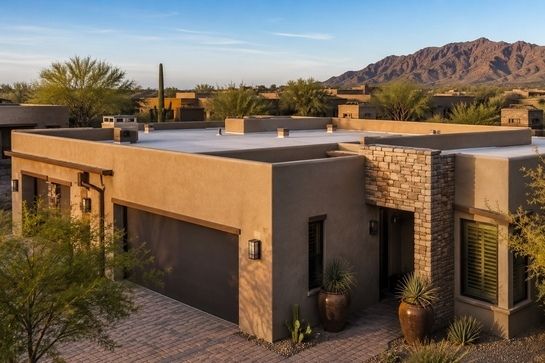
Flat Roofs

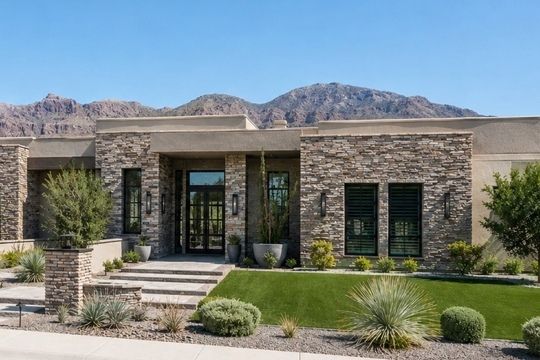
Common in Tucson and desert architecture. Requires drainage awareness, coatings, inspections, and strong maintenance records.

Tile Roofs

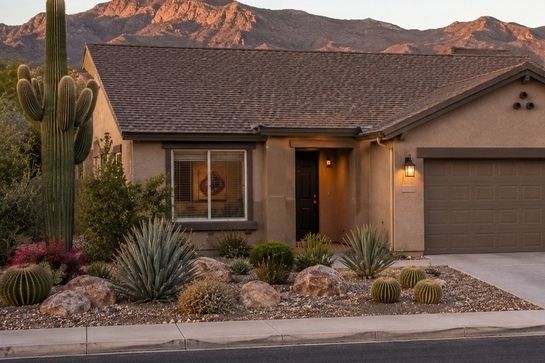
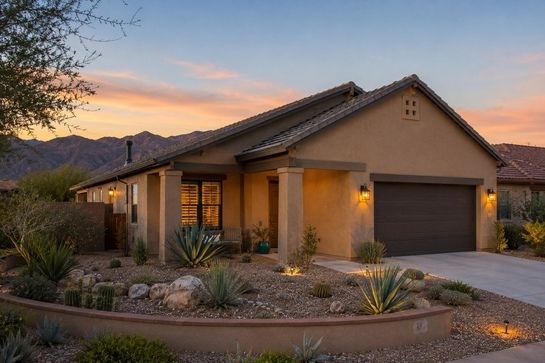
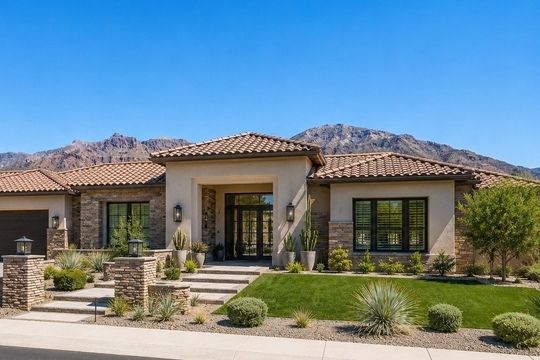
Popular in Arizona. Durable in heat, but underlayment condition and repair costs matter.

Shingle Roofs

Often easier to repair, but desert sun can shorten useful life through curling, cracking, and granule loss.

Gable Roofs

Usually better for water runoff than flat roofs, but wind, age, and materials still matter.

Step 3: Know How Flat Roofs Are Viewed by Insurance Companies

Flat roofs are not bad roofs. They are simply roofs that require more attention. Because water does not naturally run off a flat roof as quickly as it does from a pitched roof, insurance companies may pay closer attention to age, drainage, coating condition, installation quality, and maintenance history.

If you own a home with a foam roof, rolled roof, modified bitumen roof, TPO system, or elastomeric coating, keep records of inspections, repairs, recoating, and contractor work.

Step 4: Review Tile Roofs Carefully

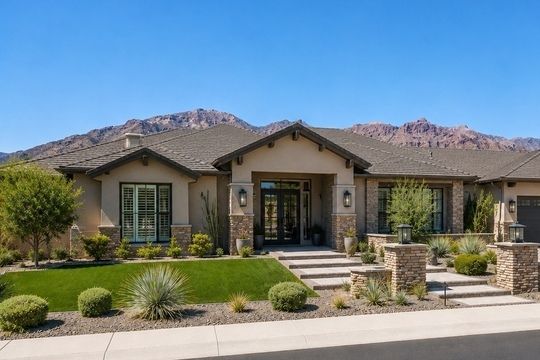
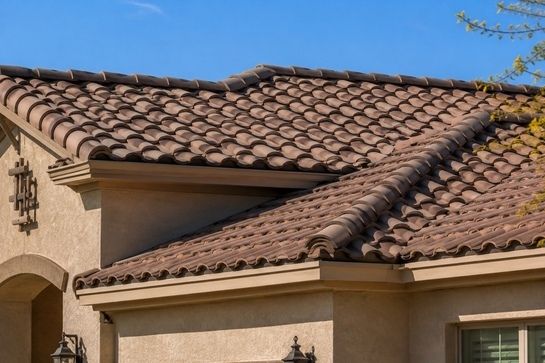
Tile roofs are common across Tucson, Oro Valley, Marana, Vail, Phoenix, Scottsdale, Sierra Vista, and many Southwest communities. Clay and concrete tile can perform well in heat and provide long-lasting curb appeal.

The hidden issue is often the underlayment beneath the tile. A tile roof may look good from the street while the underlayment is aging underneath. Homeowners should review inspection reports and ask roofing professionals about the condition beneath the visible tile.

Step 5: Understand Shingle Roof Aging in Desert Heat

Asphalt shingles are common in many parts of the country, but the Southwest can be hard on them. Long periods of direct sun and high surface temperatures may cause shingles to dry, curl, crack, and lose protective granules.

When shopping for insurance, do not only ask, “How old is the roof?” Also ask, “What condition is the roof in today?”

Step 6: Prepare for Monsoon Season

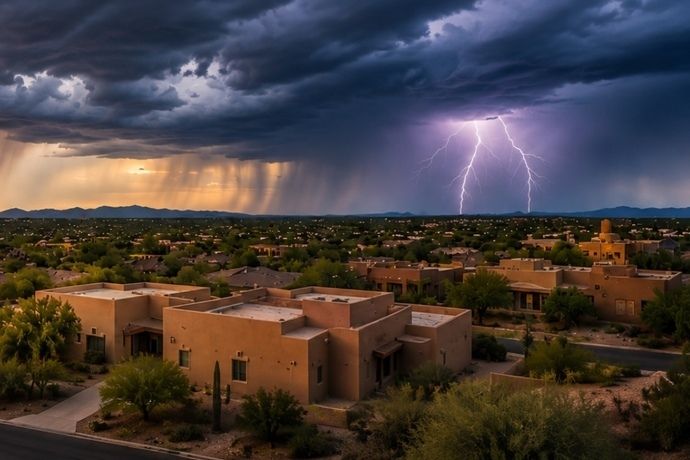
Monsoon storms can bring heavy rain, wind-driven water, hail, flying debris, and sudden drainage problems. A home insurance policy may respond differently depending on whether damage is sudden and accidental or related to wear, neglect, deterioration, or prior issues.

Before monsoon season, homeowners should check roof drainage, inspect flashing, clear debris, review gutters and scuppers, document roof condition, and make sure their policy is current.

Step 7: Review These Key Home Insurance Coverage Items

  • Dwelling Coverage: The amount available to repair or rebuild your home after a covered loss.
  • Replacement Cost vs. Actual Cash Value: How your roof and home materials may be valued after damage.
  • Wind and Hail Deductibles: Important in areas exposed to monsoon storms and hail.
  • Water Damage Limitations: Especially important for flat roof and drainage-related concerns.
  • Ordinance or Law Coverage: Helps when repairs must meet updated building codes.
  • Extended Dwelling Coverage: Helps if rebuild costs exceed the original dwelling limit.
  • Wildfire Exposure: Especially important near desert brush, canyons, rural areas, and foothill communities.

Step 8: Improve Your Home’s Insurability

Insurance companies like homes that show pride of ownership and reduced risk. You can often improve your home’s insurance profile by keeping roof records, scheduling roof inspections, recoating flat roofs when needed, trimming trees, clearing debris, maintaining drainage, and fixing small issues before they become large claims.

Documentation matters. Keep photos, invoices, inspection reports, warranties, and contractor notes in a safe digital folder.

Ready to Compare Home Insurance?

Whether your home has a flat roof, tile roof, gable roof, shingles, foam roofing, or a modern coating system, RIGHTSURE can help you compare options.

Get a Fast Free Home Insurance Quote

Step 9: Work With Local Insurance Guidance

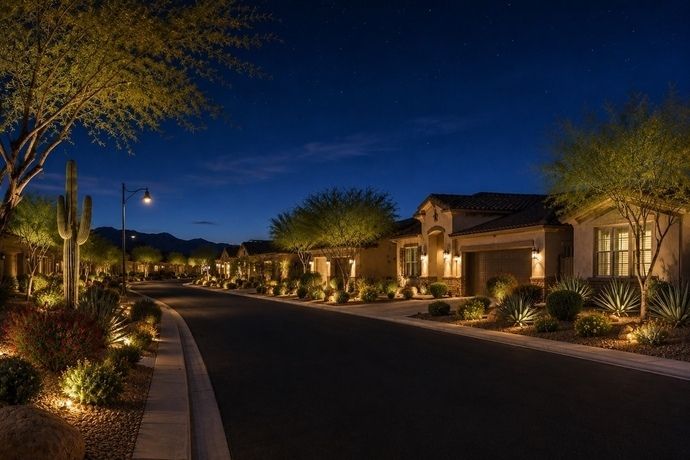
Southwest home insurance is local. A home in Tucson may face different underwriting questions than a home in Flagstaff, Phoenix, Green Valley, Sierra Vista, Vail, Marana, Oro Valley, or rural Southern Arizona.

RIGHTSURE helps homeowners understand carrier options, roof questions, coverage differences, and the realities of protecting homes in the desert.

Visit RIGHTSURE in Tucson

RIGHTSURE proudly helps homeowners throughout Tucson, Southern Arizona, and the Southwest.

View RIGHTSURE on Google Maps

Southwest Home Insurance Checklist

1. Identify your roof type
Flat, tile, shingle, gable, foam, TPO, or coated system.
2. Confirm roof age
Know the install date, repair date, and coating history.
3. Gather records
Keep invoices, inspections, photos, and contractor notes.
4. Review coverage
Check dwelling limits, roof valuation, deductibles, and water limitations.
5. Prepare for monsoon
Clear drainage, inspect flashing, and document roof condition.
6. Compare options
Use RIGHTSURE to review home insurance choices before renewal.

Frequently Asked Questions

Are flat roofs harder to insure in Arizona?

Sometimes. Flat roofs may receive closer review because of drainage, ponding water, roof coatings, age, and maintenance history.

Are tile roofs better for Southwest homes?

Tile roofs are popular in the Southwest because they handle heat well, but the underlayment beneath the tile is very important.

Does home insurance cover monsoon roof damage?

It may, depending on the policy and the cause of loss. Sudden storm damage may be treated differently than deterioration, wear, neglect, or prior roof issues.

Can roof age affect my home insurance?

Yes. Roof age, material, condition, inspection history, and maintenance records can all affect pricing and eligibility.

Why choose RIGHTSURE?

RIGHTSURE combines tech-forward quoting with Famously Friendly Humans who help homeowners understand coverage clearly and confidently.

Protecting Homes in the Southwest Requires More Than a Generic Policy

It requires local knowledge, smart technology, clear guidance, and people who understand roofs, weather, risk, and insurance in the desert.

Start Your Home Insurance Quote