Insurance Claims Guide
Rental Car Coverage Guide
When insurance does and does not pay for a rental car — and why fault and policy structure make all the difference.

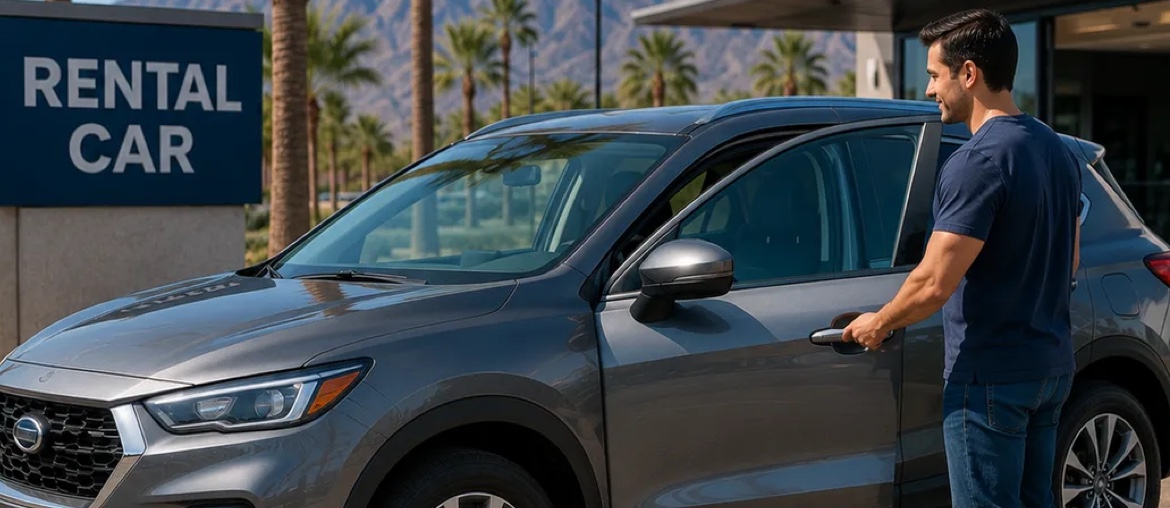
Insurance does not automatically pay for a rental car every time your vehicle is damaged. Rental coverage usually depends on fault, policy structure, rental reimbursement coverage, claim approval, and policy limits.
If you caused the accident, your insurance will only pay for a rental car if you purchased rental reimbursement coverage on your policy.
Rental reimbursement usually includes daily and total limits, such as a dollar amount per day and a maximum total amount.

If another driver caused the accident, their insurance may provide rental car coverage as part of the property damage claim.
This is one of the most important differences in rental car claims: being not at fault may open the door to rental coverage through the other driver’s insurance.

This is a very important point: if another driver is at fault, you may be able to get rental car coverage through their insurance.
In many claims, the at-fault driver’s carrier is responsible for reasonable rental car costs while your vehicle is being repaired or until the claim reaches a payment point.
This is why fault matters so much in rental car claims.
Most drivers assume rental coverage is built into the policy automatically.
In reality, rental reimbursement is often optional.
The difference between having it and not having it can be the difference between a covered rental and hundreds or thousands of dollars out of pocket.
Two drivers can have the exact same accident and end up with very different rental car outcomes.
One gets a rental paid for. The other pays out of pocket.
The difference usually comes down to how the claim is being handled and how the policy was structured before the accident happened.
Rental car coverage is just one part of how claims work. These related pages can help answer other common coverage questions.
No. Rental coverage is usually optional and must be added to your policy.
Your insurance only covers a rental car if you purchased rental reimbursement coverage.
The other driver’s insurance may pay for your rental car, but timing and approval can vary.
Yes. If you have rental reimbursement coverage, you may choose to use it while the other company investigates liability.
Yes. Policies usually include daily and total limits, such as a set dollar amount per day up to a maximum amount.
People get surprised by rental car costs following a claim because they assumed rental coverage was automatic when it is actually optional in many policies.